


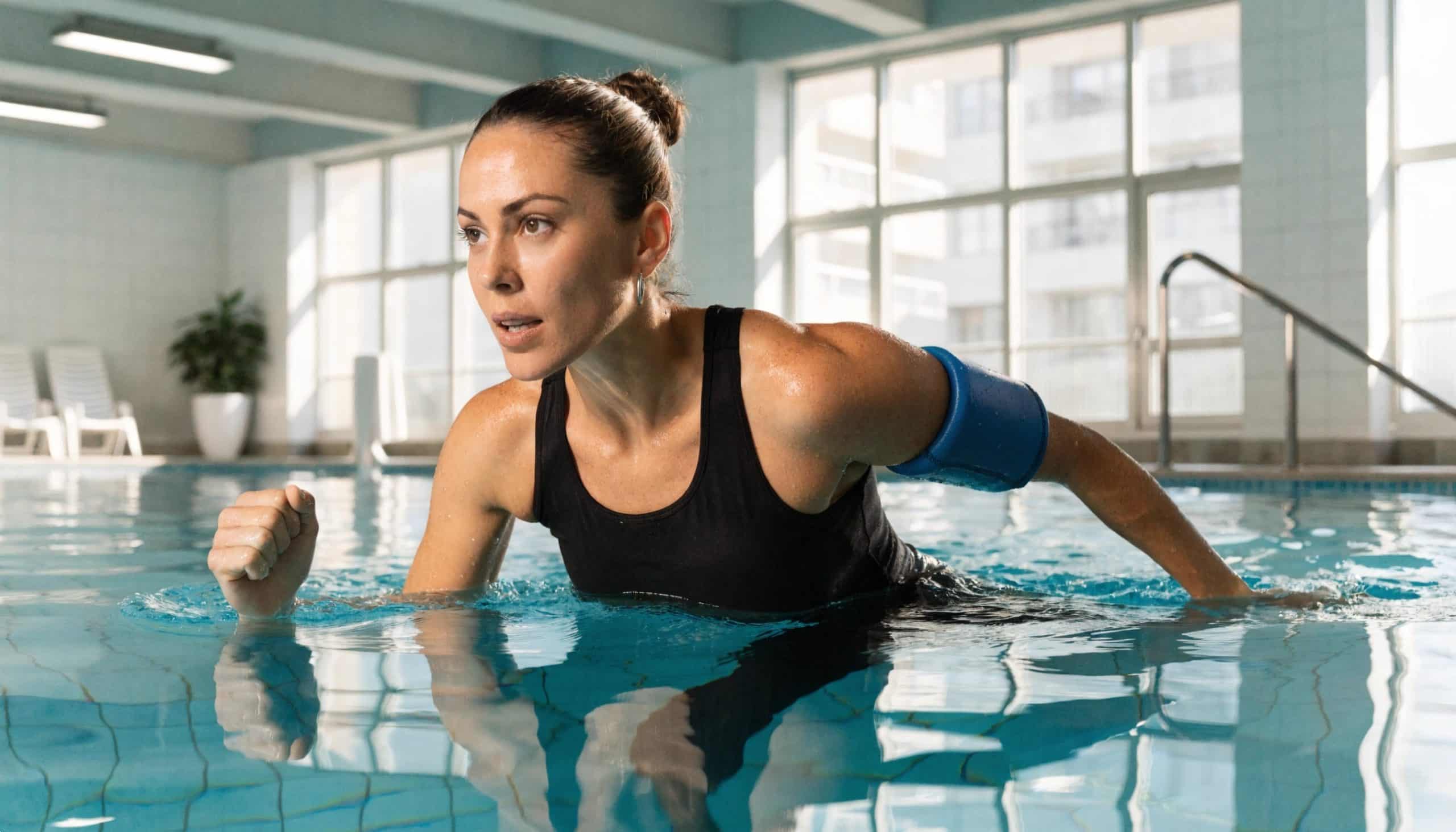
The shift from summer’s outdoor activity season to fall’s cooler, shorter days creates a natural transition point for Colorado Springs homeowners who want to maintain their fitness and mobility without the joint stress that land-based exercise increasingly demands as activity levels and temperatures change. When Mile High Hot Tubs talks with Colorado Springs homeowners about swim spa therapy exercises, the conversation consistently reveals that many owners are using only a fraction of what their swim spa can offer, focusing primarily on swimming while overlooking the broader range of low-impact strength, mobility, and recovery exercises that warm water makes uniquely accessible.
This guide covers the specific exercises that deliver the most value for strength, mobility, and recovery in a swim spa, how to structure them into a practical routine, and why warm water makes these movements more effective than their land-based equivalents for homeowners managing joint considerations or transitioning into fall activity patterns.
Why Warm Water Changes the Exercise Experience
Understanding what warm water does to the body during exercise helps homeowners appreciate why swim spa therapy exercises produce results that land-based equivalents often cannot match for the specific populations and goals they serve best.
The buoyancy of warm water reduces effective body weight by approximately ninety percent in chest-deep immersion, which removes the compressive loading from joints that makes many land-based exercises uncomfortable or inaccessible for homeowners managing joint stiffness, recovering from activity, or working around previous injuries. Exercises that produce discomfort on land because of joint compression, including squats, lunges, and lateral movements, become accessible and even comfortable in the water because the compressive force driving the discomfort is largely absent.
Heat from the warm water increases tissue pliability, reduces synovial fluid viscosity in joint capsules, and relaxes the muscle tension that limits range of motion in cool or cold conditions. Stretching and mobility work performed in warm water consistently produces greater range of motion gains per session than the same movements performed at room temperature, because the tissue being stretched is more responsive to lengthening forces when it is warm.
Water resistance provides a training stimulus for strength work that is proportional to movement speed, which creates a naturally self-regulating resistance system. Moving slowly through the water provides gentle resistance appropriate for rehabilitation and recovery work. Moving quickly through the water provides a genuine strength challenge without the fixed loading of weights or machines. This self-regulating property makes water resistance exercises inherently safer for homeowners managing joint or tissue vulnerabilities than fixed-load land-based alternatives. Exercising in a hot tub or swim spa covers the broader exercise capabilities of swim spas that provide context for the therapy-focused exercises discussed in this guide.
Lower Body Strength and Mobility Exercises
The lower body exercises available in a swim spa address the major muscle groups and joints of the hips, knees, and ankles in a warm, buoyant environment that makes them accessible to homeowners who find land-based lower body work challenging.
Water squats are the foundational lower-body strength exercise for swim spa therapy routines. Standing in chest-deep water with feet shoulder-width apart, the movement mirrors a standard squat but with dramatically reduced compressive load on the knees and spine. The water resistance encountered during the upward phase provides a gentle strengthening stimulus for the quadriceps, glutes, and hip extensors. For homeowners with knee or hip considerations, water squats often represent the first comfortable loaded squatting movement they have been able to perform in months or years, and the progressive strength development they produce carries over meaningfully to land-based movement quality over time.
Lateral leg raises performed standing with one hand on the spa wall for balance build hip abductor strength that is fundamental to stable walking, stair climbing, and single-leg balance. The water resistance during the lifting phase provides a training stimulus, and the buoyancy support during the movement reduces the balance demand that makes standing lateral raises challenging on land for homeowners with balance or stability concerns.
Knee lifts, marching in place by alternately lifting each knee toward the chest, develop hip flexor strength and hip mobility while simultaneously providing a gentle cardiovascular stimulus. The buoyancy support reduces the hip flexor loading that makes high knee movements uncomfortable for some homeowners on land, allowing comfortable movement through a range of motion that many participants report feeling restricted in during land-based activity.
Ankle circles and foot exercises performed seated on a spa bench or standing with the foot lifted address ankle mobility and intrinsic foot strength that contribute to balance and gait quality. The warm water environment makes these small movements more comfortable and effective than performing them in cool air, and the daily opportunity to address ankle and foot mobility in the warm water routine produces cumulative range of motion improvements over weeks of consistent practice. Benefits of hydrotherapy covers the physiological basis for warm water therapy that supports the effectiveness of these lower body exercises in the swim spa environment.
Upper Body Strength and Mobility Exercises
Upper body therapy exercises in the swim spa develop shoulder, arm, and thoracic mobility alongside functional pushing and pulling strength, all in a warm water environment that reduces the joint stress that makes overhead and reaching movements uncomfortable for many adults.
Arm circles performed standing in chest-deep water with arms extended at the surface develop shoulder mobility through the full circumduction range of motion. The buoyancy support of the water reduces the gravitational load on the shoulder joint during the overhead portion of the circle, allowing comfortable movement through ranges that may be restricted or uncomfortable when performed against gravity on land. Beginning with small circles and gradually increasing the diameter over sessions produces progressive mobility improvement in a comfortable, controlled manner.
Standing chest press movements, pushing both hands forward against the water resistance from a position in front of the chest, develop pushing strength in the chest, anterior shoulders, and triceps without the joint loading that bench pressing or push-up positions create. The water resistance is proportional to push speed, allowing the homeowner to self-regulate the challenge level intuitively. Performing the movement slowly provides a gentle rehabilitation stimulus. Performing it quickly produces a genuine strength challenge.
Shoulder blade squeezes and retraction movements performed with arms at the sides or extended forward develop the posterior shoulder and upper back strength that counteract the forward-rounded posture that sedentary lifestyles and prolonged sitting produce. These movements are particularly valuable for Colorado Springs homeowners who spend significant time at desks or in forward-flexed positions during outdoor activities like cycling or gardening.
Wrist and forearm exercises, including gentle wrist circles, flexion and extension movements, and grip work using resistance from cupped hands moving through the water, address the hand and wrist mobility that contributes to comfortable daily function and that degrades with age and inactivity. The warm water environment makes these small joint movements more comfortable than performing them in cool air and provides a low-threshold entry point for homeowners who experience hand or wrist stiffness in fall’s cooler temperatures. Swim spa therapy exercises for low-impact training covers the broader swim spa fitness capability that complements the therapy-focused movements in this guide.
Core Stability and Spinal Mobility Exercises
Core stability and spinal mobility are foundational to virtually every movement pattern in daily life and outdoor activity, and the swim spa provides an excellent environment for developing both because the water’s instability constantly challenges postural muscles while its buoyancy reduces the spinal compressive loading that makes many land-based core exercises uncomfortable for adults with disc or facet joint considerations.
Standing balance exercises, simply standing on one foot in the water with arms extended for balance, develop the ankle, hip, and core stability that contribute to fall prevention and confident movement in uneven terrain. The water’s movement creates a dynamic balance challenge that is more demanding than standing on one foot on a stable land surface, producing balance and stability adaptations efficiently, even from a simple exercise movement.
Spinal rotation movements, standing with arms extended at the water surface and gently rotating the trunk from side to side, develop thoracic rotational mobility that is fundamental to comfortable walking, reaching, and the rotation demands of most outdoor activities. The warm water environment makes this movement more comfortable than land-based rotation exercises for homeowners who experience spinal stiffness, and the gentle resistance of the water provides a small strengthening stimulus to the rotational muscles alongside the mobility benefit.
Water walking with exaggerated arm swing develops reciprocal trunk rotation and coordinates upper and lower body movement in a pattern that directly mimics the demands of outdoor walking and hiking. Performing this movement for five to ten minutes at a comfortable pace provides both cardiovascular stimulus and functional movement training that carries over to outdoor activity quality more directly than isolated strengthening exercises.
Supported back extension, standing with hands on the spa wall and gently arching the lower back into extension, provides a gentle countermovement to the flexion-dominated postures of sitting and cycling that contribute to spinal mobility and reduce the compression in the anterior disc space that prolonged flexion produces. The warm water environment and the gentle support of the spa wall make this movement comfortable and accessible for homeowners who find unsupported back extension exercises uncomfortable on land. Maintaining your swim spa tips and tricks covers the water care practices that keep the swim spa environment consistently comfortable and clean for therapeutic exercise use.
Stretching and Flexibility Work in Warm Water
Stretching in warm water produces range of motion improvements that are consistently greater per session than the same stretches performed at room temperature, making the swim spa an ideal environment for a flexibility routine that targets the areas most restricted by Colorado’s active outdoor lifestyle.
Hip flexor stretches performed in a lunge position with one foot forward and the rear knee dropped toward the spa floor address the hip flexor tightness that accumulates from hiking, cycling, running, and prolonged sitting. The warm water environment makes the stretch more comfortable and allows the tissue to release more completely than it typically will in a cool stretching environment, and the buoyancy support reduces the balance demand of the lunge position for homeowners who find land-based hip flexor stretches unstable.
Hamstring stretches performed seated on a spa bench with one leg extended and the torso gently leaned forward target the posterior chain tightness that contributes to lower back tension and restricted hip mobility. The warm water relaxation of the hamstring tissue combined with the supported seated position makes this stretch accessible for homeowners who find floor-based hamstring stretches uncomfortable due to lower back sensitivity.
Calf and Achilles stretches performed standing with hands on the spa wall, and one heel pressed toward the spa floor address the posterior ankle tightness that contributes to plantar fascia discomfort and reduces ankle mobility for hiking and trail activities. The warm water environment facilitates a more complete calf and Achilles release than stretching on a cool floor, and the daily opportunity to address this area in the warm water routine produces cumulative ankle mobility improvements over a fall season of consistent practice.
Thoracic extension over the spa wall edge, gently draping the upper back over the rounded edge of the spa while standing or seated, provides a gentle passive extension stretch to the thoracic spine that counteracts the forward flexion that most daily activities and outdoor pursuits impose. This simple position requires no active effort and produces thoracic extension mobility improvements from simple gravity-assisted relaxation in the warm water environment. Best swim spas for families combining fitness and fun covers the family wellness applications of swim spas that complement the individual therapy exercise focus of this guide.
Structuring a Therapy Exercise Routine
A practical swim spa therapy exercise routine for Colorado Springs homeowners focusing on low-impact strength, mobility, and recovery can be completed in twenty to thirty minutes and structured to address the full range of exercise types covered above.
A warm-up of five minutes of gentle water walking with arm movement prepares the body for more focused exercise and begins the warm water acclimation that makes subsequent exercises more comfortable. Five to eight minutes of lower-body strength exercises, including water squats, lateral leg raises, and knee lifts, addresses the primary lower body muscle groups with enough volume to produce a training stimulus without excessive fatigue. Five minutes of upper body exercises, including arm circles, chest press movements, and shoulder blade work, addresses the upper body before the core and mobility work that follows.
Five minutes of core stability exercises, including balance work and spinal rotation, develops the postural foundation that supports all other movement. Five to eight minutes of stretching targeting the hip flexors, hamstrings, calves, and thoracic spine takes advantage of the warm water and the preceding exercise to produce the most complete flexibility response. A two-to-three-minute cool-down of gentle movement and deep breathing closes the session and transitions smoothly to the post-session recovery soak if the homeowner wants to extend their time in the warm water.
This structure produces a complete low-impact therapy workout in a time frame that fits comfortably into a fall morning or evening routine for most Colorado Springs homeowners. Swim spa workouts for Colorado Springs homeowners covers the more fitness-intensive workout applications that complement the therapy-focused routine described here for homeowners who want to progress toward higher intensity training over time.
Frequently Asked Questions About Swim Spa Therapy Exercises for Colorado Springs Homeowners
Do I need any special equipment for swim spa therapy exercises?
Most swim spa therapy exercises require only the water and the spa structure itself, using the wall for balance support and the water’s resistance and buoyancy as the primary training tools. Water resistance equipment such as foam dumbbells, resistance gloves, and kickboards, can add variety and additional challenge to the routine for homeowners who want to progress their training, but none of these tools are necessary to begin a comprehensive therapy exercise program. Starting with bodyweight water exercises and adding equipment selectively as fitness improves is the most practical approach for most homeowners.
What water temperature is best for therapy exercises?
The optimal water temperature for therapy exercises depends on the exercise intensity. Gentle mobility work, stretching, and low-intensity strengthening exercises are most comfortable and most effective in the 92 to 98 degree range, where the warm water maximizes tissue pliability and joint comfort without creating significant heat stress during the relatively low-intensity movements. More vigorous strength exercises and cardiovascular movements like water walking and knee lifts are more comfortable at slightly cooler temperatures in the 86 to 92 degree range, which prevent overheating during sustained effort. Homeowners who want to do both gentle mobility work and more vigorous exercises in the same session often find a temperature in the low to mid-nineties a practical compromise.
How often should I do swim spa therapy exercises to notice improvement?
Daily sessions, even short ones of fifteen to twenty minutes, produce more consistent and more rapid improvement than less frequent longer sessions. The cumulative effect of daily warm water exposure on joint tissue, muscle pliability, and range of motion is more significant than the effect of individual session volume, which means showing up every day at a moderate duration and intensity produces better outcomes than intensive sessions two or three times per week. Most homeowners who establish a daily therapy exercise routine in their swim spa report noticeable improvement in morning stiffness, movement quality, and overall physical comfort within two to four weeks of consistent practice.
Can swim spa therapy exercises replace physical therapy for joint rehabilitation?
Swim spa therapy exercises complement but do not replace formal physical therapy for homeowners undergoing rehabilitation from injury, surgery, or a diagnosed joint condition. Physical therapists design rehabilitation programs based on specific clinical assessment of the individual’s condition, movement patterns, and recovery stage, and this individualized clinical guidance produces better outcomes than a general exercise program alone. Many physical therapists actively encourage their patients to use warm water exercise as a complement to their clinical program, and homeowners who are in active rehabilitation should discuss their swim spa exercise plans with their physical therapist to ensure the exercises align with their rehabilitation goals. Hot tub home spa safety covers the general warm water exercise safety considerations that apply to therapy exercise use.
Are swim spa therapy exercises appropriate for older adults with significant mobility limitations?
Warm water therapy exercises are among the most accessible and most appropriate exercise options for older adults with significant mobility limitations precisely because the buoyancy removes compressive loading, the warm temperature reduces the pain and stiffness that limit movement on land, and the water resistance provides a gentle training stimulus without the injury risk of weighted exercises. Entry and exit safety is the most important practical consideration for older adults with mobility limitations, and ensuring the swim spa has adequate steps, grab handles, and non-slip surfaces before beginning a therapy exercise program is an essential safety review. Starting with the gentlest versions of each exercise and progressing gradually as confidence and strength improve is the appropriate approach for adults with significant limitations.
How do I know if a swim spa exercise is appropriate for my specific joint condition?
The general principle for warm water therapy exercises is that any movement that does not produce sharp, significant, or increasing discomfort during or after the session is generally appropriate to continue. Mild muscle fatigue and the pleasant warmth of exertion are normal responses. Sharp joint pain, significant swelling after exercise, or discomfort that is worse the day after a session are signals to reduce the intensity or range of the movement causing those responses and to discuss the exercise with your healthcare provider. For homeowners managing diagnosed conditions, reviewing the planned exercise program with their physician or physical therapist before beginning provides professional guidance that supports safe and effective progression. Can a hot tub lower blood pressure covers related health considerations for warm water exercise that homeowners with cardiovascular conditions should review with their healthcare providers.
Start Moving Better This Fall
A consistent swim spa therapy exercise routine gives Colorado Springs homeowners the low-impact strength, mobility, and recovery work that keeps them moving well through fall and into winter. Visit Mile High Hot Tubs or call 720-500-2521 to explore swim spa options for your Colorado Springs home. Browse our Colorado Springs showroom.

