


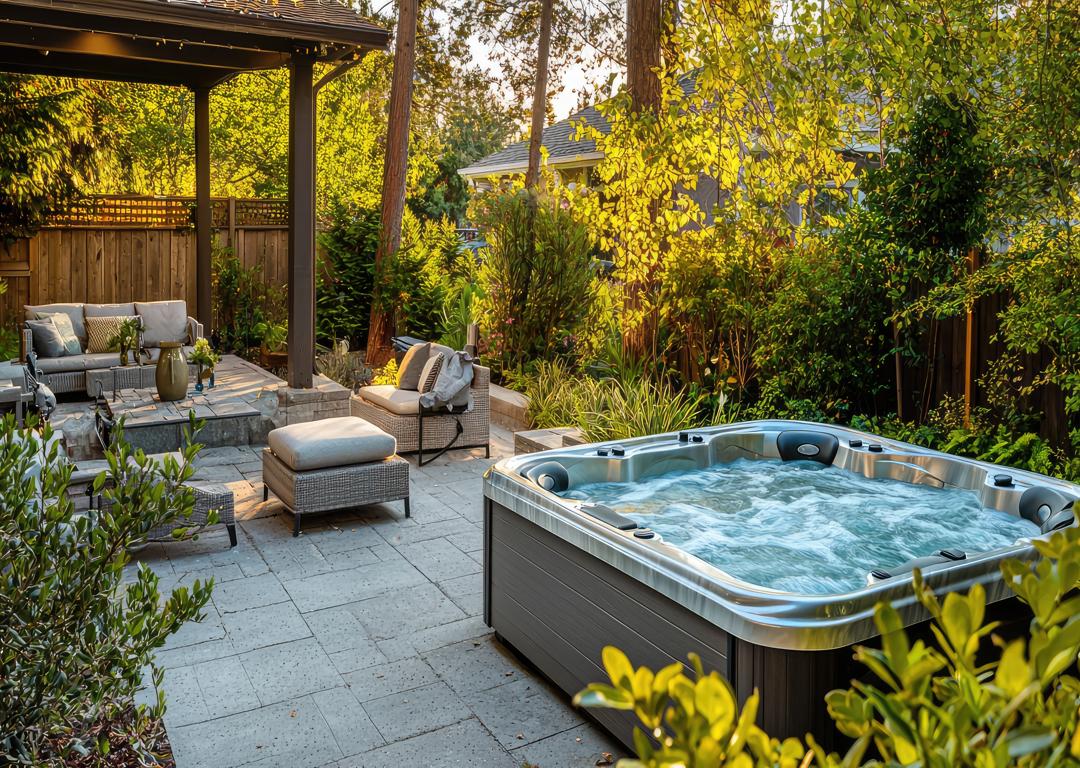
Adding a swim spa to your backyard can transform how you relax, exercise, and entertain at home. For many Denver homeowners, swim spas offer the benefits of a pool and a hot tub combined in one compact system. They provide year-round hydrotherapy, resistance swimming for fitness, and a comfortable gathering space for family and friends.
However, before purchasing a swim spa, it is important to understand swim spa permit requirements in Colorado, especially within the Denver metro area. Many homeowners focus on selecting the spa model and planning backyard layouts, but overlook the permitting process that must occur before installation begins.
Understanding local regulations early helps prevent costly delays and ensures your swim spa installation moves forward smoothly.
Why Swim Spa Permits Matter in Denver
Like most cities, Denver regulates backyard structures and equipment to ensure safety, proper electrical installation, and compliance with building codes. Swim spas typically fall into the same regulatory category as hot tubs or small pools because they involve electrical connections, water capacity, and sometimes structural changes to the property.
If a swim spa is installed without the proper approvals, homeowners may face unexpected issues such as:
- Delayed installations while permits are obtained
- Required modifications to meet safety codes
- Inspection requirements after installation
Planning ahead helps homeowners avoid these complications and ensures the swim spa project stays on schedule.
When a Permit Is Typically Required
In many cases, swim spas require at least one permit before installation. The exact requirements may vary depending on the property, electrical setup, and installation type.
Most swim spa projects involve electrical permits because the system requires a dedicated power supply and often a ground fault circuit interrupter (GFCI) connection. These electrical components must meet local safety standards to prevent shock hazards.
If the swim spa requires structural work—such as building a reinforced pad, deck integration, or partial in-ground installation—additional permits may also be necessary.
Homeowners should confirm permit requirements before purchasing equipment to ensure the installation plan meets local regulations.
Electrical Requirements for Swim Spas
Electrical installation is one of the most important aspects of a swim spa project. These systems typically require higher voltage connections than standard household outlets, and the wiring must meet strict safety standards.
Most swim spas require:
- A dedicated electrical circuit
- A GFCI protection system
- Professional installation by a licensed electrician
These safety requirements help protect both the equipment and the homeowners using the spa. Electrical permits allow inspectors to verify that wiring and connections meet current code standards.
In Denver and surrounding areas, electrical inspections are a normal part of the installation process.
Placement and Setback Considerations
Where you place a swim spa in your backyard can affect permit requirements and installation feasibility. Local regulations often include setback rules, which determine how close structures can be placed to property lines, fences, or buildings.
Swim spas are typically installed on concrete pads, reinforced patios, or deck platforms. The placement area must provide adequate drainage, access for maintenance, and clearance from other structures.
Before installation, homeowners should evaluate:
- Available backyard space
- Access routes for delivery
- Distance from property lines
- Electrical panel proximity
Planning these details early helps avoid changes after the spa has been purchased.
Safety Barriers and Access Requirements
Depending on the installation location and spa design, Denver homeowners may also need to consider safety barriers. These measures help prevent unsupervised access, particularly for households with children or pets.
Some municipalities require protective features such as:
- Lockable spa covers
- Fencing around pool areas
- Self-closing gates
Even when these features are not mandatory, they are often recommended as best practices for backyard water features.
HOA and Neighborhood Rules
Beyond city permits, homeowners living in planned communities may also need to review homeowners’ association (HOA) guidelines. Many HOAs regulate backyard modifications, equipment placement, and exterior structures.
Common HOA considerations include:
- Visibility of equipment from neighboring properties
- Noise levels from pumps and filtration systems
- Deck or patio construction requirements
Reviewing HOA rules before purchasing a swim spa helps avoid conflicts with neighborhood regulations.
Delivery and Installation Logistics
Swim spas are large pieces of equipment that require careful delivery and placement. Many models weigh several thousand pounds when filled with water, so the installation surface must be properly prepared.
Professional installers typically evaluate factors such as:
- Crane or lift access for delivery
- Structural support for the spa’s weight
- Drainage around the installation area
These logistical details are often coordinated during the permitting and planning process. Consulting a professional hot tub mover in Denver can ensure your site is accessible for such large equipment.
Why Early Planning Prevents Installation Delays
One of the most common issues homeowners encounter with backyard spa projects is discovering permit requirements after the equipment has already been purchased.
When permits are addressed early in the process, installation schedules tend to move more smoothly. Contractors can coordinate electrical work, inspections, and site preparation without last-minute changes.
This planning also helps ensure that the swim spa is installed according to safety standards and local codes. You can find more hot tub installation tips to help prepare your space.
Frequently Asked Questions About Swim Spa Permits in Colorado
Do swim spas require permits in Denver?
Many swim spa installations require electrical permits, and additional permits may be necessary if structural work or deck modifications are involved.
Who typically handles the permit process?
In many cases, licensed electricians or installation contractors handle permit applications and inspections as part of the installation project.
Can I install a swim spa without a permit?
Installing a swim spa without the required permits may lead to code violations, inspection issues, or delays when selling the home later.
Do swim spas require fencing in Denver?
Some installations may require safety barriers or lockable covers depending on local regulations and spa design.
How long does the permit process take?
Permit timelines vary depending on the project scope, but early planning helps prevent delays during installation.
Planning Your Swim Spa Installation with Confidence
A swim spa can be an incredible addition to a Denver backyard, offering fitness benefits, relaxation, and year-round enjoyment. However, understanding swim spa permit requirements in Colorado before making a purchase is one of the most important steps in the process.
By reviewing local regulations, planning electrical installation, and coordinating site preparation early, homeowners can avoid unexpected delays and enjoy a smoother installation experience.
Mile High Hot Tubs helps Denver homeowners navigate the swim spa buying process from start to finish. From choosing the right model to coordinating installation planning, their team helps ensure your backyard spa project moves forward with confidence and clarity.

