


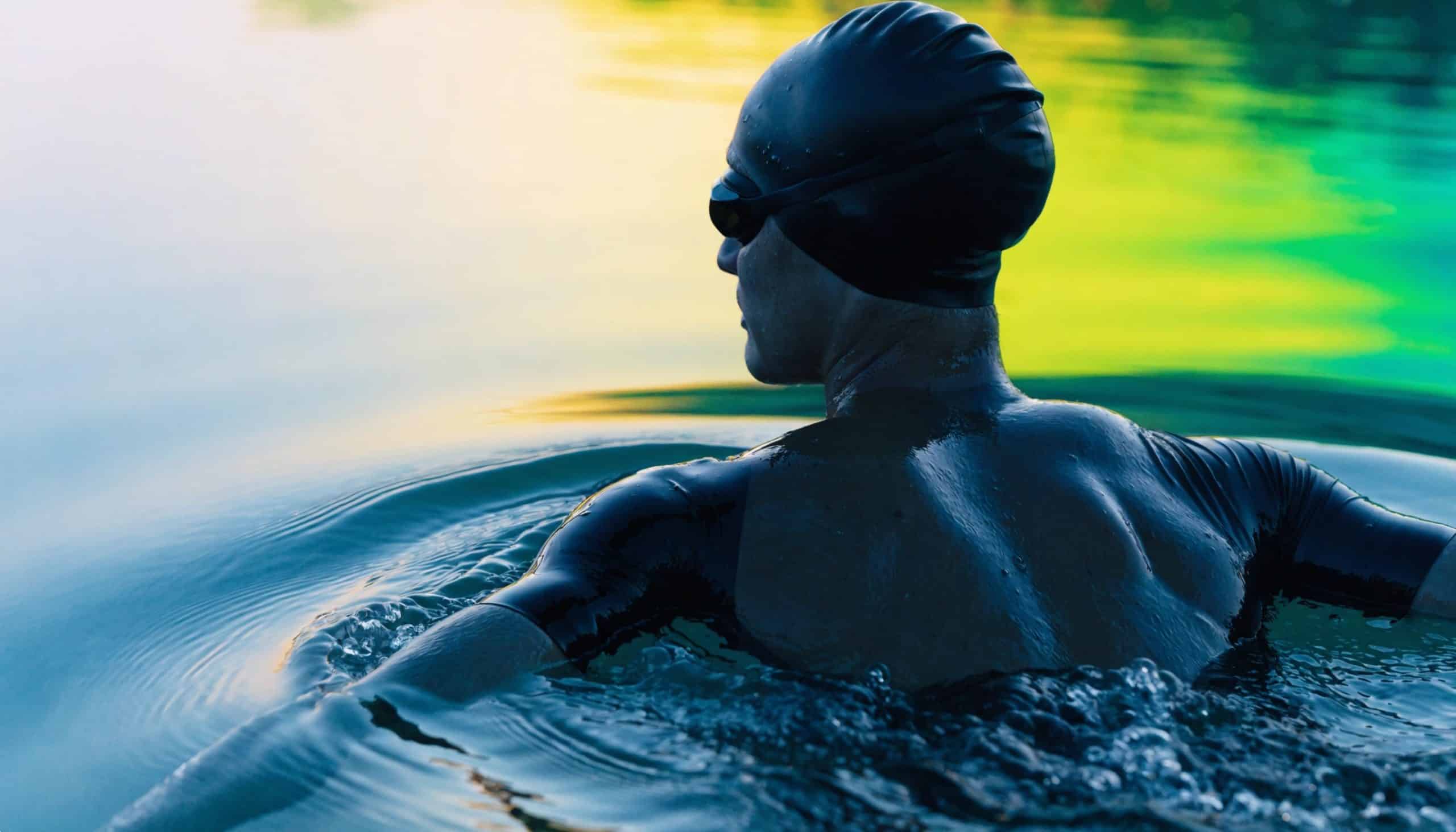
Finding a fitness solution that works through every season in Colorado Springs is a genuine challenge. Outdoor training is exceptional here from late spring through early fall, but the combination of winter cold, unpredictable weather, and the logistical friction of gym commutes makes maintaining year-round fitness consistency harder than most active residents would like to admit. When Mile High Hot Tubs talks with Colorado Springs homeowners about swim spas, the conversation almost always arrives at the same realization: a swim spa is not a pool alternative. It is a complete at-home fitness and recovery system that happens to fit in a backyard.
This guide covers the exercises, training approaches, and fitness benefits that make swim spas a compelling year-round fitness investment for active Colorado Springs homeowners.
What Makes a Swim Spa Different From a Pool for Fitness
The fundamental difference between a swim spa and a standard pool for fitness purposes is the current system. A swim spa generates a continuous adjustable current that a swimmer swims against, allowing unlimited distance swimming in a compact footprint. Instead of doing laps and turning at each end, a swimmer in a swim spa maintains a fixed position in the current, swimming continuously for as long as the workout requires.
This current system transforms a compact water structure into a genuine endurance training tool that a standard backyard pool cannot replicate without lane space. A Colorado Springs homeowner with a swim spa can do a thirty-minute open water simulation swim without moving more than a few feet in any direction, which is a meaningful difference from the push-and-glide technique that short pool laps reinforce.
Beyond swimming, the resistance of moving water provides a training medium for strength work, cardio conditioning, and low-impact movement that no other home fitness equipment replicates. Water provides twelve times the resistance of air, which means exercises that feel straightforward on land become genuinely challenging in a swim spa’s current or simply in the resistance of the water itself. Choosing the right swim spa for your home covers the selection considerations that help homeowners identify the swim spa configuration best suited to their fitness goals.
Swim Workouts: Building Endurance and Technique at Home
Swim training in a swim spa follows the same fundamental structure as pool-based swim training, with the current system replacing lane distance as the training variable. Adjusting the current speed changes the workout intensity in the same way that pace per hundred meters changes intensity in a pool.
A foundational endurance session in a swim spa might involve a ten-minute warm-up at a comfortable current speed that allows smooth, controlled technique, followed by twenty to thirty minutes at a moderate effort current speed that requires focused swimming to maintain position, followed by a five to ten-minute cooldown at a lower current speed. This session structure builds aerobic base in the same way that steady-state pool swimming does, and it translates directly to open water or pool swimming performance for Colorado Springs residents who race or train across disciplines.
Interval training in a swim spa involves alternating between higher current speeds that require near-maximum effort and lower current speeds or pauses that allow partial recovery. A simple interval structure might involve thirty seconds at a challenging current speed followed by thirty seconds at a comfortable speed, repeated for ten to fifteen cycles. This kind of high-intensity interval structure in the water produces cardiovascular adaptations efficiently and fits into a shorter workout window than steady-state swimming requires.
Technique work is one of the underappreciated benefits of swim spa training. The fixed position in the current allows a swimmer to focus entirely on stroke mechanics without the interruption of turns and push-offs that break up pool lap swimming. Using a mirror on the spa wall or video analysis from a phone positioned on the deck gives Colorado Springs swimmers immediate feedback on stroke mechanics that is difficult to obtain in a standard pool setting. Exercising in a hot tub or swim spa covers additional exercise approaches that complement dedicated swim training in a swim spa.
Water Walking and Running: Low-Impact Cardio With High Return
Water walking and water running are among the most accessible and most underestimated fitness tools available in a swim spa, and they are particularly relevant for Colorado Springs homeowners who are managing joint considerations, returning from injury, or looking for a high-calorie burn without the impact load of land-based running.
Walking against the swim spa current at a pace that requires meaningful effort produces a cardiovascular workout that is genuinely challenging despite the absence of the high-impact loading that land walking involves. The water resistance that must be overcome with each stride engages the entire lower body musculature more completely than land walking does, because the water pushes back against the leg during both the forward drive and the recovery phase of the stride.
Water running, either running in place against the current or running across the spa against the current resistance, is used by competitive runners as a cross-training and injury rehabilitation tool because it closely mimics the neuromuscular patterns of land running while eliminating all impact stress essentially. For Colorado Springs runners who are building mileage, returning from a stress injury, or looking for a low-impact day between harder training sessions, water running in a swim spa is a highly specific training substitute.
Varying the current speed during water walking and running sessions allows the intensity to be precisely calibrated from active recovery pace to a genuinely challenging cardiovascular effort, giving the homeowner complete control over the training stimulus without changing the exercise modality.
Strength and Resistance Training in the Water
The water environment of a swim spa provides resistance for strength-focused exercises in a way that is genuinely different from both land-based strength training and standard cardio. Water resistance is proportional to the speed of movement through the water, which means slow movements are relatively easy and fast movements are genuinely challenging, creating a naturally self-regulating resistance system.
Upper body exercises, including arm pulls, chest presses against the water, and rotational movements against the current, build functional pushing and pulling strength with zero joint compression. These exercises are particularly useful for Colorado Springs residents who do a lot of upper-body demanding activities like mountain biking, climbing, or paddling and want to build complementary strength without adding more compression loading to already-stressed joints.
Lower body exercises, including squats, lunges, and lateral movements in the water, combine the strength challenge of the movement pattern with the joint deloading benefit of buoyancy. A water squat performed against the current provides a quad and glute challenge that is similar in muscle recruitment to a land squat but with substantially less spinal and knee compression, which makes it an excellent option for homeowners with lower-body joint considerations.
Core exercises in the water, including standing balance work against the current and rotational movements that challenge trunk stability, develop functional core strength in a dynamic, three-dimensional environment that static land-based core exercises do not replicate. The instability of the water environment constantly challenges the postural muscles that stabilize the spine during movement, producing core conditioning that carries over directly to outdoor activities.
Recovery Workouts: Active Recovery in the Swim Spa
Active recovery, movement at low intensity that promotes circulation and reduces residual muscle tension without adding training stress, is one of the most evidence-supported recovery practices available to endurance athletes and active adults. The swim spa is an ideal active recovery environment because the water temperature can be set to a therapeutic range and the current can be set to a very low level that provides gentle resistance without meaningful training demand.
An active recovery session in a swim spa might involve fifteen to twenty minutes of easy water walking at a comfortable current speed, some gentle stretching using the spa wall for support, and a few minutes of light arm movements against a minimal current. This kind of session on the day after a hard training day or a demanding outdoor activity keeps blood moving through fatigued muscles, reduces the tension that contributes to next-day stiffness, and maintains the daily movement habit without adding to the training load.
The ability to set precise water temperatures in a swim spa means the recovery session temperature can be optimized for the specific recovery goal. Slightly cooler water temperatures around 85 to 90 degrees are preferred by some athletes for active recovery sessions because they provide a refreshing environment for easy movement without the additional heat load of a full therapeutic soak temperature. Best swim spas for families combining fitness and fun covers the family fitness and recovery versatility that makes swim spas valuable beyond solo training use.
Year-Round Training Consistency in Colorado Springs
The year-round usability of a swim spa is one of its most compelling practical advantages for Colorado Springs homeowners who have experienced the disruption that winter brings to outdoor training routines.
A swim spa set to a comfortable training temperature remains fully functional and accessible through Colorado Springs winters without the preparation, travel, or facility access considerations that alternative training options require. The homeowner who trained outdoors through summer and in the swim spa through winter maintains continuity of fitness and consistency of habit that produces measurably better long-term fitness outcomes than the start-stop pattern of seasonal training followed by winter detraining.
For Colorado Springs residents who participate in spring and summer races, the ability to maintain swim conditioning through winter without a pool membership or facility access gives the swim spa a specific competitive preparation value that is hard to replicate with any other home fitness equipment. A triathlete who has been swimming consistently in their backyard swim spa through the winter arrives at spring open water season with a fitness foundation that a winter of gym cross-training alone cannot provide. Swim spas Denver Colorado covers the full swim spa product range available through Mile High Hot Tubs for Colorado homeowners comparing options.
Frequently Asked Questions About Swim Spa Workouts for Colorado Springs Homeowners
How long should a typical swim spa workout be?
Swim spa workout duration depends on the training goal and intensity. Endurance swim sessions of thirty to forty-five minutes at moderate current speeds provide meaningful aerobic conditioning. High-intensity interval sessions of twenty to thirty minutes produce efficient cardiovascular training in a shorter time window. Strength and resistance sessions of twenty to thirty minutes using the water resistance provide a full body workout. Active recovery sessions of fifteen to twenty minutes are sufficient for their purpose. The swim spa’s versatility allows workout duration and intensity to be matched to the day’s specific training goal.
What current speed should I start with as a beginner?
Beginning swim spa users should start at a current speed that allows them to maintain comfortable technique without struggling to hold position. Most swim spa current systems have a wide range from very gentle to very challenging, and finding the speed at which you can swim comfortably for ten minutes without significant fatigue is the right starting point. From there, progressive increases in current speed over weeks build fitness in the same way that progressive overload works in any training program. Most swim spa dealers can demonstrate the current range during a showroom visit, which is the best way to calibrate your expectations before purchase.
Can non-swimmers get fitness benefits from a swim spa?
Absolutely. Water walking, water running, and resistance exercises in a swim spa provide excellent fitness benefits without requiring any swimming ability. The current can be set at a very low level or turned off entirely for non-swimming exercises, making the swim spa accessible as a fitness tool for household members who do not swim. The low-impact nature of water exercise makes it particularly appropriate for non-swimmers who are managing joint issues or returning from injury. TidalFit swim spas covers a range of swim spa options suitable for both swimmers and non-swimmers, focused on fitness and recovery.
How does swim spa training compare to pool lap swimming for fitness?
Swim spa training and pool lap swimming produce comparable cardiovascular and muscular fitness adaptations when the training volume and intensity are equivalent. The primary practical differences are convenience, technique development, and accessibility. Swim spa training at home eliminates commute time and facility scheduling constraints. The fixed position in the current allows uninterrupted technique focus that lap swimming with turns does not. For most fitness-focused swimmers who are not competitive pool swimmers requiring lane swimming specifically, the swim spa provides equivalent training benefits with superior convenience.
What is the best water temperature for swim spa workouts?
Workout water temperature in a swim spa depends on the intensity and duration of the session. Vigorous training sessions are most comfortable in cooler water between 80 and 86 degrees, which prevents overheating during sustained effort. Moderate intensity sessions work well in the 86 to 92 degree range. Recovery and stretching sessions benefit from warmer temperatures in the 92 to 98 degree range that support muscle relaxation. The ability to set precise temperatures for different session types is one of the practical advantages of a quality swim spa over a standard pool.
How much space does a swim spa require in a Colorado Springs backyard?
Swim spas are significantly more compact than standard pools while providing comparable fitness functionality. Most swim spa models range from fourteen to twenty-one feet in length and seven to eight feet in width, requiring a prepared surface and adequate clearance around the unit for access and maintenance. Many Colorado Springs backyards that cannot accommodate a standard pool have sufficient space for a swim spa installation. Hot tub installation, what you need to know covers the site preparation and installation requirements that apply to swim spa installations as well as hot tubs.
Start Training at Home This Season
A swim spa gives Colorado Springs homeowners a complete fitness and recovery system that works through every season without a gym membership, a pool commute, or a weather cancellation. Visit Mile High Hot Tubs or call 720-500-2521 to explore swim spa options for your Colorado Springs home. Browse our Colorado Springs location.

