


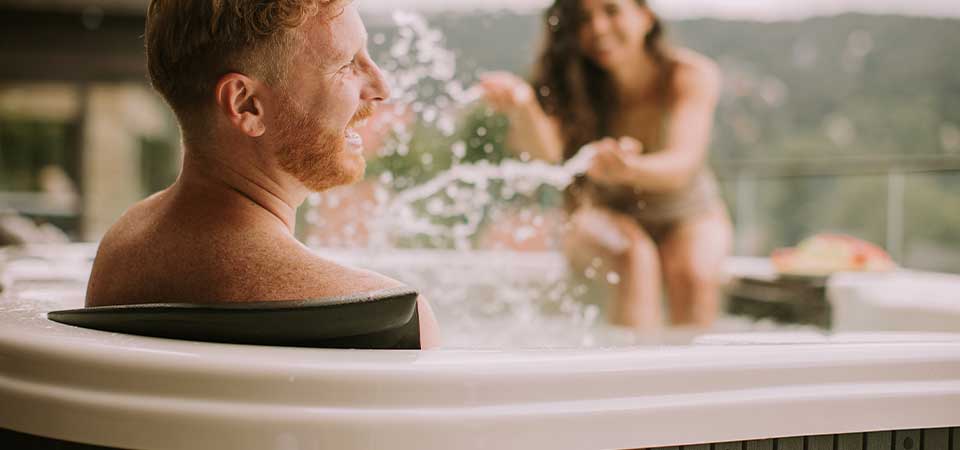
Colorado winters are long, cold, and often unpredictable. For Denver homeowners, that reality raises a common concern about hot tub ownership: how to enjoy consistent warmth and relaxation in winter without watching energy bills spike. The good news is that modern hot tubs are far more efficient than models from even a decade ago. With the right features, setup, and usage habits, it’s entirely possible to keep winter operating costs manageable while still enjoying full comfort.
At Mile High Hot Tubs, we work with Denver homeowners every season who want realistic, proven ways to reduce winter energy use without turning their hot tub into a lukewarm compromise. This guide explains how today’s energy-saving hot tubs perform in Colorado winters, what features actually make a difference, and how small adjustments can lead to meaningful savings month after month.
Why Winter Energy Efficiency Matters in Colorado
Denver’s winter climate places unique demands on outdoor hot tubs. Temperatures regularly fall below freezing, overnight lows can dip into the single digits, and strong winds accelerate heat loss. In these conditions, a poorly insulated or outdated hot tub can burn through electricity just to maintain safe water temperatures.
Energy efficiency matters for three main reasons:
- Heating water requires significantly more energy in cold air
- Heat loss increases through evaporation, wind exposure, and uninsulated cabinets
- Inefficient systems cycle heaters more frequently, driving up monthly costs
Modern hot tubs are designed with these challenges in mind. Advances in insulation, pumps, heaters, and smart controls allow Denver homeowners to enjoy consistent warmth with far less energy than older systems required.
How Modern Hot Tubs Reduce Winter Energy Use
Today’s energy-efficient hot tubs rely on a combination of structural design and smart technology. No single feature does all the work—real savings come from systems working together.
Key efficiency upgrades in modern hot tubs include:
- Full-foam or multi-density insulation that traps heat inside the cabinet
- High-efficiency circulation pumps that run continuously at low energy draw
- Improved heater designs that transfer heat more effectively
- Smart controls that prevent unnecessary heating cycles
In real-world Denver conditions, these upgrades can reduce winter operating costs by 30 to 60 percent compared to older or entry-level models. Many of the most efficient options are featured within our curated selection of hot tubs in Denver, Colorado.
Hot tubs like the Artesian Elite Dove Canyon are popular for Colorado winters because energy-efficient design and proper insulation play a major role in keeping operating costs manageable while still delivering full comfort.
Insulation: The Foundation of Winter Energy Savings
Insulation is the single most important factor in winter efficiency. Heat loss through the cabinet and plumbing forces heaters to run longer and more often.
Most modern energy-efficient hot tubs use full-foam insulation, where dense foam surrounds the shell and plumbing lines. This approach limits air movement inside the cabinet, keeping heat where it belongs and protecting components from freezing temperatures.
Benefits of high-quality insulation include:
- Reduced heater run time
- More stable water temperature
- Lower risk during short power outages
- Quieter operation due to vibration dampening
In Denver’s climate, tubs with minimal or perimeter-only insulation struggle to retain heat, especially during extended cold spells or windy conditions. For homeowners prioritizing efficiency, our eco spas in Denver, Colorado are specifically designed to minimize heat loss and energy consumption.
The Role of Covers in Winter Efficiency
Even the most insulated hot tub will waste energy if the cover is poorly designed or worn out. A large percentage of heat loss occurs at the water’s surface through evaporation.
An energy-efficient winter cover should include:
- Thick, tapered foam cores with high insulation value
- Tight seals around the perimeter to prevent heat leakage
- A reinforced hinge to stop heat from escaping at the center
- Locking straps to keep the cover secure during high winds
A waterlogged or aging cover can lose over half of its insulating ability. Replacing an old cover is often one of the fastest ways Denver homeowners can reduce winter energy use without changing the tub itself. You can learn more about this in our guide on choosing the best hot tub cover.
Smart Heating and Control Features That Save Energy
Modern hot tubs are equipped with digital control systems designed to optimize heating cycles. These systems eliminate unnecessary energy use while maintaining comfort.
Energy-saving control features commonly include:
- Economy or sleep modes that reduce heating during inactive hours
- Programmable temperature scheduling
- Freeze-protection sensors that activate circulation only when needed
- Wi-Fi connectivity for remote monitoring and adjustments
Instead of constantly reheating water from a lower temperature, smart systems maintain steady warmth more efficiently. This approach reduces peak energy demand and smooths out electricity usage across the day.
Pump Efficiency and Why It Matters in Winter
Older hot tubs relied on single-speed pumps that ran at full power whenever circulation or filtration was required. Modern hot tubs use dedicated circulation pumps designed to move water continuously using minimal electricity.
High-efficiency circulation pumps:
- Use a fraction of the energy of traditional jet pumps
- Maintain water temperature evenly
- Improve filtration without extra heater cycles
- Reduce overall system wear
In winter, continuous low-speed circulation prevents cold pockets in plumbing and reduces the need for frequent reheating.
Realistic Winter Energy Costs for Denver Homeowners
Energy usage varies based on spa size, efficiency, exposure, and usage habits, but modern hot tubs are far more predictable in their operating costs.
In Denver’s winter conditions:
- Older or poorly insulated hot tubs may cost $120 to $200 per month
- Mid-range modern hot tubs often cost $70 to $120 per month
- High-efficiency models can operate for $40 to $80 per month
Denver’s average electricity rate of roughly 13 to 14 cents per kilowatt-hour makes efficiency especially important. The difference between a well-insulated tub and a basic model can add up to hundreds of dollars each winter. For a deeper breakdown, see our resource on hot tub running costs in Denver.
Practical Ways to Lower Winter Energy Bills Without Losing Comfort
Small adjustments in setup and usage can produce noticeable savings without sacrificing warmth or usability.
Smart winter energy-saving habits include:
- Keeping the water temperature steady rather than reheating frequently
- Lowering the temperature by a few degrees during extended periods of non-use
- Using the cover immediately after exiting the tub
- Shielding the tub from wind using fencing or privacy panels
- Checking and cleaning filters regularly to improve circulation efficiency
These habits work best when paired with an energy-efficient hot tub designed for cold climates like Colorado.
Wind Exposure and Placement Considerations
Wind is an often-overlooked factor in winter energy loss. Even moderate wind speeds can strip heat from the water surface and cabinet faster than cold air alone.
Placing a hot tub near:
- A fence
- A wall
- A corner of the home
- A purpose-built windscreen
can significantly reduce heat loss. Many Denver homeowners see noticeable energy savings simply by reducing exposure to prevailing winter winds. Placement guidance is also covered in our hot tub installation planning guide.
Common Myths About Winter Hot Tub Energy Use
Some homeowners assume the best way to save energy is to turn the hot tub off when not in use. In Colorado winters, this often backfires.
Common misconceptions include:
- Turning the tub off saves energy (reheating uses more)
- Hot tubs must be drained in winter (modern tubs are built for year-round use)
- Smaller tubs always cost less to run (insulation matters more than size)
Modern hot tubs are engineered to stay running safely and efficiently through winter, provided they are properly insulated and maintained. For more cold-weather tips, explore our guide on enjoying your hot tub in winter.
Frequently Asked Questions
Do Energy-Efficient Hot Tubs Still Feel Hot in Winter?
Yes. Modern systems maintain consistent water temperatures even during sub-freezing weather.
Is It Cheaper to Leave the Hot Tub Running or Turn It Down?
Maintaining a steady temperature is usually more efficient than reheating from cold.
How Often Should I Check My Hot Tub in Winter?
Weekly checks for water level, temperature, and cover fit are recommended.
Does Snow on the Cover Help or Hurt Efficiency?
A light layer of snow can add insulation, but heavy accumulation should be removed to prevent damage.
Are Newer Hot Tubs Really That Much More Efficient?
Yes. Advances in insulation, pumps, and controls have dramatically reduced winter energy use.
Enjoying a hot tub during a Colorado winter should feel relaxing—not stressful when the utility bill arrives. With modern energy-efficient designs, smart controls, and thoughtful setup, Denver homeowners can lower winter operating costs without giving up comfort.
At Mile High Hot Tubs, we specialize in hot tubs built for Colorado winters. Our team helps homeowners choose models with proven winter performance, optimize placement for efficiency, and understand realistic operating costs before purchase. If you’re looking to enjoy your hot tub all winter while keeping energy bills in check, we’re here to help you make a smart, comfortable investment.

