


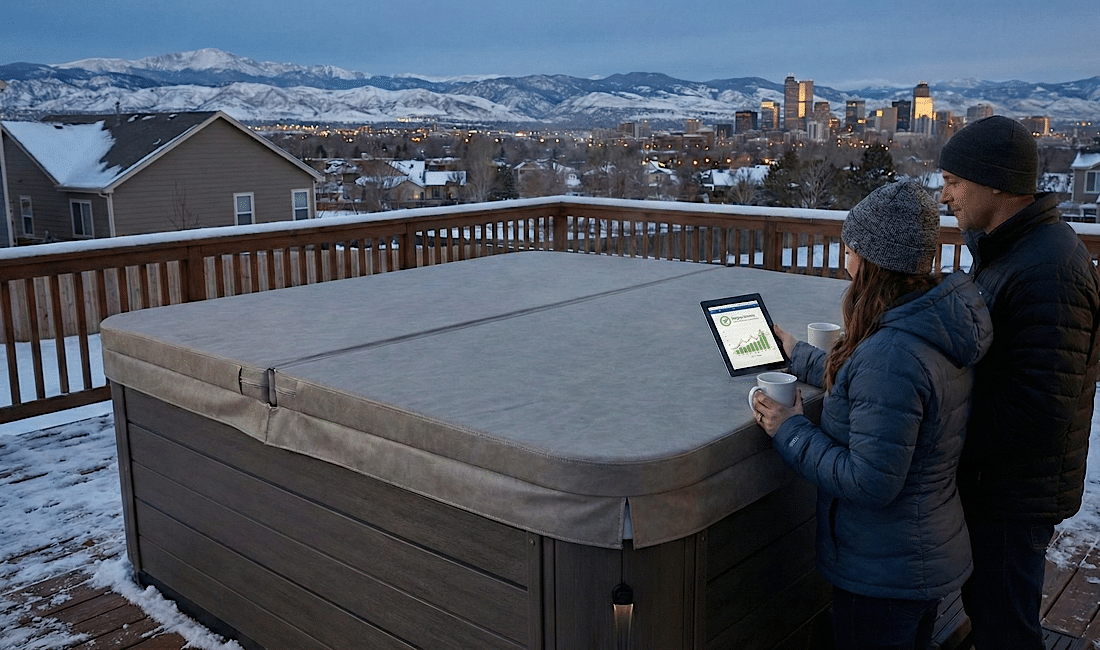
In the heart of a Colorado winter, heating outdoor water features like swim spas can seem like a luxury that’s tough on energy bills. Yet with the right systems in place, an energy-efficient swim spa can become a practical, year-round wellness investment for Denver homeowners. At Mile High Hot Tubs, we specialize in helping clients choose and operate low-energy swim spas that balance comfort with cost-efficiency—even during Denver’s harshest cold snaps.
This guide provides Denver residents with essential information about insulation, operating costs, energy-efficient features, and how to make the most of their swim spas throughout the winter season. Whether you’re exploring a new purchase or trying to improve your current setup, understanding energy-smart strategies can lead to significant utility savings without sacrificing performance.
How Swim Spas Function in Winter—and Why Energy Efficiency Matters
Swim spas combine the benefits of a hot tub and a lap pool in a compact footprint. In winter, maintaining a water temperature between 80°F and 104°F becomes more energy-intensive. Denver’s elevation (over 5,200 feet) and frequent sub-freezing temperatures increase heat loss through water surfaces, spa walls, and poorly insulated plumbing.
When not built for efficiency, a swim spa can become a drain on energy—leading to monthly costs upwards of $200 during winter months. But with modern insulation technologies and smart usage strategies, many Mile High homeowners operate their spas for less than half that.
Key Energy-Saving Features in Today’s Swim Spas
Not all swim spas are built the same. Some manufacturers design spas with minimal insulation and outdated components, while others focus on low operating costs and winter durability. Here are the most important features to look for:
Full-Foam Insulation
Swim spas with full-foam insulation (high-density polyurethane spray foam) reduce heat loss by limiting air gaps inside the cabinet. This type of insulation:
- Retains heat in the shell and plumbing
- Dampens equipment noise
- Helps prevent freezing during outages
While some models use partial foam or thermal blanket-style insulation, these are less effective in Denver’s freezing climate.
Thermal Locking Covers
A high-quality swim spa cover is one of the most cost-effective tools for winter operation.
Look for:
- A multi-core insulated cover with a minimum R-value of 15–25
- A locking mechanism to prevent wind lift
- Seam seals and insulated hinge flaps to prevent heat from escaping through the center
Custom-fitted covers outperform generic options and can reduce heat loss by up to 70%.
Energy-Efficient Pumps and Heaters
Modern, variable-speed circulation pumps and high-efficiency heaters significantly lower winter utility costs. Efficient pumps run continuously at low speed, consuming minimal power while keeping water filtered and warm.
Some high-efficiency models can cost 30–50% less to operate than older, single-speed systems. In Denver, where spas operate year-round, this makes a noticeable difference.
Programmable Controls and Energy Modes
Smart spa controllers allow you to schedule heating cycles during off-peak hours or reduce setpoints when the spa isn’t in use. Energy-efficient models often include:
- Economy mode to lower water temperature between sessions
- Vacation mode for extended downtime
- Wi-Fi-enabled apps for remote control
This level of control can save 10–20% on monthly costs while ensuring the spa is always ready when needed.
Estimated Operating Costs for Swim Spas in Denver Winters
Understanding the real-world cost of running a swim spa in winter helps set expectations and plan ahead. Actual costs vary based on insulation, usage habits, spa size, and local electricity rates. Here’s a breakdown:
| Swim Spa Efficiency | Estimated Monthly Cost (Winter) | Notes |
|---|---|---|
| Poor (no insulation, single-speed pump) | $175–$250 | High heat loss, older equipment |
| Average (basic insulation, cover included) | $100–$160 | Standard model, no upgrades |
| High-Efficiency (full foam, efficient pump, quality cover) | $40–$80 | Premium build and optimized use |
Denver’s average residential electricity rate is around 13.4 cents per kWh (as of 2024). A well-insulated swim spa uses approximately 10–15 kWh per day in winter, while inefficient models may exceed 30 kWh daily.
At Mile High Hot Tubs, we’ve seen customers reduce their winter utility bills by $50 to $100 per month just by upgrading to a more efficient model with better insulation and a custom cover.
Strategies to Reduce Winter Swim Spa Energy Use
Owning a swim spa in winter doesn’t have to mean high utility bills. These practical tips help Denver homeowners cut costs without sacrificing comfort.
Maintain Water Temperature Strategically
Set your spa to the lowest comfortable temperature for your use. For exercise, between 80°F and 90°F is sufficient, while therapy or relaxation typically requires 100°F–104°F. If you’re not using the spa for a day or more, lower the temperature by 10–15°F to conserve energy.
Use the Cover Religiously
Keep your spa covered at all times when not in use. Even brief exposure to frigid outdoor temperatures can cause rapid heat loss. Invest in a thermal spa blanket that floats on the water’s surface for added insulation.
Shield the Spa From Wind
Wind can strip heat off the spa’s surface quickly. Add wind barriers like fences, privacy panels, or insulated spa skirts to reduce exposure. Position your spa in a sheltered corner of your yard for best results.
Schedule Filter Cycles for Off-Peak Hours
Some utilities offer lower rates during off-peak times (typically overnight). Program your spa’s heating and circulation cycles to run during these hours if your rate plan allows, and you’ll save money without impacting performance.
Perform Regular Maintenance
Clogged filters and scale buildup force your spa to work harder to maintain temperature and circulation. Clean filters monthly, check water chemistry, and inspect the cover for damage to keep your system running efficiently.
Best Energy-Efficient Swim Spa Models for Denver Winters
While many swim spas claim energy efficiency, only a few deliver exceptional cold-weather performance. Mile High Hot Tubs recommends these leading options:
TidalFit Core Swimmer – A streamlined swim spa built for consistent performance and efficient year-round use.
TidalFit Active EP-12 – A compact swim spa option that balances training features with winter-ready efficiency.
TidalFit ActivePlus EP-12 – Ideal for homeowners wanting extra performance features while still prioritizing energy-smart operation during Colorado winters.
These models are all available through Mile High Hot Tubs, and our team provides installation, cover customization, and winter prep for Denver homeowners.
Frequently Asked Questions
Are Swim Spas Expensive to Run in Winter?
They can be, but with proper insulation, an efficient pump, and good usage habits, most Denver homeowners can keep costs between $40–$80 per month. Older or poorly insulated spas may cost significantly more.
Do I Need to Shut Down My Swim Spa in Winter?
No. High-efficiency models are designed for year-round use—even during snow and ice. In fact, shutting down a spa in winter can lead to frozen plumbing if not drained and winterized correctly.
Can Solar Panels Help Reduce My Spa Energy Costs?
Yes. If your home has solar, connecting the spa to your system or using time-of-use scheduling during peak generation hours can reduce your electric bills substantially.
How Long Does It Take to Heat a Swim Spa in Winter?
Depending on your heater size and ambient temperature, it can take 8 to 24 hours to heat from 50°F to 100°F. Keeping the water at a moderate temperature and using a cover reduces recovery time.
Is Full-Foam Insulation Worth the Extra Cost?
Absolutely. Full-foam insulation pays for itself in energy savings over 1–2 winters, especially in Denver’s climate. It also extends the life of plumbing and components by maintaining consistent internal temperatures.
Energy-efficient swim spas offer Denver homeowners a unique combination of health, relaxation, and cold-season enjoyment—without shocking utility bills. By choosing a spa designed for high-altitude winters and applying smart usage strategies, you can enjoy the warmth of hydrotherapy while keeping your energy costs in check.
Mile High Hot Tubs offers a curated selection of high-performance swim spas built for Colorado winters. Our team helps you evaluate your home’s setup, insulation needs, and cover options to maximize efficiency from day one. If you’re ready to enjoy a warm, energy-conscious soak or workout this winter, reach out to us for a no-obligation consultation.

