


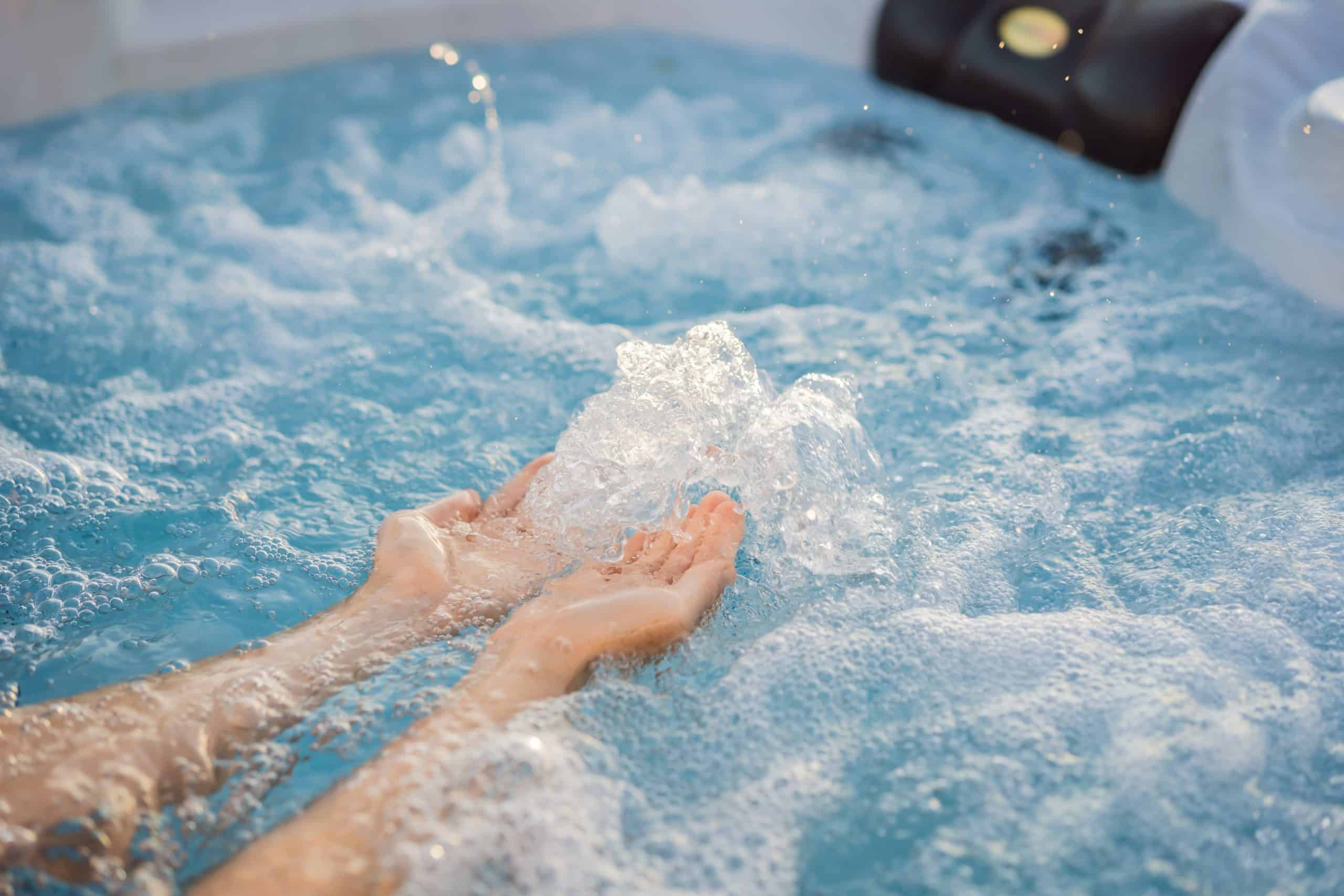
Sleep is the recovery tool that every wellness conversation eventually comes back to, and for busy Denver homeowners navigating demanding work schedules, active outdoor lifestyles, and the back-to-school transition that September brings, getting consistent quality sleep is often harder than it should be. When Mile High Hot Tubs talks with Denver homeowners about the benefits they experience after installing a hot tub, improved sleep is one of the most consistently reported outcomes, often mentioned by homeowners who did not buy the tub specifically for sleep and discovered the benefit as a welcome side effect of their evening soak routine.
This guide covers the science behind warm water and sleep, how to build an evening soak routine that maximizes the sleep benefit, and what Denver homeowners should know about timing, temperature, and consistency.
The Science Behind Warm Water and Sleep
The connection between warm water immersion and improved sleep quality is one of the more robustly studied areas in hot tub wellness research, and understanding the mechanism makes the effect feel less like folk wisdom and more like applied physiology.
The key is body temperature regulation. Human sleep onset is closely tied to a drop in core body temperature. As the body prepares for sleep, it naturally lowers its core temperature by directing warm blood toward the skin surface and away from the body’s core, a process called vasodilation. This peripheral vasodilation is part of the body’s natural sleep preparation signal, and it is the reason most people sleep better in a cool room than a warm one.
Soaking in warm water between 100 and 104 degrees Fahrenheit for fifteen to twenty minutes artificially accelerates this process in a useful way. The warm water raises the skin temperature and dilates peripheral blood vessels, and when the soaker exits the water and enters a cooler air environment, the body’s core temperature drops more rapidly than it would without the preceding warm soak. This accelerated core temperature drop mimics and amplifies the body’s natural pre-sleep cooling signal, which research consistently shows reduces the time it takes to fall asleep and improves the quality of the first sleep cycles of the night.
A 2019 systematic review published in Sleep Medicine Reviews analyzed data from thirteen studies and found that warm water immersion in the sixty to ninety minute window before bed was associated with significantly faster sleep onset and improved sleep quality. The optimal timing identified was ninety minutes before sleep, though meaningful benefits were observed across the sixty to one hundred twenty minute pre-bed window. The health benefits of owning a hot tub covers the broader wellness benefits that complement the sleep-specific benefits discussed here.
Why Denver’s Back-to-School Season Is a Natural Sleep Disruption Period
Late summer and early fall in Denver brings a specific set of sleep disruption factors that make the evening hot tub routine particularly valuable during this period.
The back-to-school transition changes household schedules for families with children in ways that often run counter to natural sleep patterns. Earlier wake times, new activity and homework demands, and the general increase in household stress that accompanies a major schedule shift all affect sleep quality for parents as much as children. Adults who managed a relatively flexible summer schedule suddenly find themselves needing to be asleep earlier and experiencing difficulty making that shift.
The late summer heat that persists through September in Denver creates bedroom temperature challenges that interfere with the cool sleeping environment the body prefers. Denver’s elevation means the temperature drops meaningfully after sunset, but homes that have absorbed heat through the day can remain warm enough in the evening to compromise sleep quality for light sleepers. Paradoxically, using a hot tub in the early evening can accelerate the body’s transition to sleep-ready temperature even when the bedroom environment is warmer than ideal.
Seasonal light changes as days shorten through September can also affect sleep timing, with many people finding their natural sleep drive shifting earlier in fall as evening light diminishes. Building an evening hot tub routine that aligns with this natural shift provides a consistent behavioral anchor for sleep preparation that supports rather than fights the body’s seasonal adjustment. Preparing your hot tub for fall covers the hot tub maintenance and operational considerations for Denver’s fall transition that keep the evening soak routine running smoothly through the season change.
Building an Evening Soak Routine for Better Sleep
The sleep benefits of hot tub use are most reliably produced by a consistent routine rather than occasional soaks, and building that routine intentionally produces better outcomes than simply soaking whenever it happens to be convenient.
Timing is the most important variable. The research consensus points to the sixty to ninety minute pre-bed window as the optimal timing for warm water immersion aimed at improving sleep. A Denver homeowner who wants to be asleep by ten-thirty should aim for a soak that ends around nine to nine-fifteen, giving the body time to complete the post-soak temperature drop before the target sleep time.
Duration of fifteen to twenty minutes at therapeutic temperature is sufficient to produce the body temperature effect that drives the sleep benefit. Longer soaks are not meaningfully more beneficial for sleep purposes and can produce dehydration in some users if sessions extend beyond thirty minutes without fluid intake. Keeping water nearby and drinking during the soak is a simple habit that makes the routine both more comfortable and easier to maintain long-term.
Temperature in the 100 to 103 degree range is effective for sleep preparation. Higher temperatures are not necessary for the sleep benefit and add cardiovascular demand that some users find less relaxing than the goal of the evening routine requires. The aim of a sleep-focused soak is warmth and relaxation rather than maximum heat, and temperatures on the moderate end of the therapeutic range typically feel more appropriate for wind-down purposes than the maximum setting.
The transition from hot tub to bedroom environment should be calm and unhurried. Entering a cool or mildly cool bedroom after a soak helps the body’s temperature drop continue rather than reversing it by entering a warm room. Avoiding screens, stimulating conversations, and bright light during the fifteen to thirty minutes between the soak and sleep onset reinforces the sleep preparation signal that the warm water has initiated. Top five benefits of owning a hot tub covers the full range of lifestyle benefits that make consistent hot tub use valuable beyond the sleep-specific application.
What Denver Homeowners Report About Sleep After Installing a Hot Tub
The research on warm water and sleep is supported by a consistent pattern of anecdotal reports from hot tub owners that reinforces what the physiological mechanism predicts. Denver homeowners who establish a consistent evening soak routine commonly describe falling asleep faster, experiencing fewer of the restless middle-of-the-night waking periods that interrupt sleep quality, and waking feeling more rested after the same number of hours in bed.
The consistency element is worth emphasizing. Hot tub owners who soak sporadically report more variable sleep outcomes than those who build the routine into their evening schedule reliably. The body responds to consistent behavioral cues as part of its sleep preparation process, and a hot tub soak that happens at the same time each evening becomes one of those behavioral cues in the same way that a consistent bedtime, a dark room, and a cool temperature function as sleep onset signals.
For active Denver homeowners who are already using their hot tub for post-activity recovery, the recovery and sleep preparation functions overlap naturally when the post-activity soak happens in the evening. A soak after a late afternoon trail run or a post-work gym session addresses both the muscle recovery goal and the sleep preparation goal simultaneously, which is one of the more elegant efficiency arguments for evening hot tub use among active homeowners. Do hot tubs burn calories covers a related question about the physiological effects of warm water immersion that active Denver homeowners frequently ask alongside the sleep question.
Hot Tub Features That Support the Sleep Routine
Not all hot tubs are equally well-suited to a relaxation and sleep preparation routine, and Denver homeowners who are prioritizing the sleep benefit should consider a few specific features when evaluating their options.
Lighting controls that allow the tub’s lighting to be set to dim, warm-toned settings during evening soaks support the pre-sleep environment by avoiding the bright, cool-toned light that suppresses melatonin production. Hot tubs with adjustable LED lighting that can be set to amber or warm white tones are more appropriate for sleep-focused soaking than those with only bright white or cool blue lighting options.
Jet configuration that includes neck, shoulder, and lumbar massage positions addresses the specific tension areas that carry the physical stress of a demanding day, which is where most Denver professionals and active adults experience the most end-of-day tension. A tub with well-placed upper body jets that can be used in a relaxed, supported position is more effective for wind-down soaking than one that requires active positioning to access the jet therapy.
Sound system integration allows some hot tub owners to incorporate calming audio as part of their evening routine, which reinforces the relaxation goal of the soak. Many premium hot tubs include Bluetooth-connected sound systems that allow the homeowner to use the same music, ambient sound, or podcast content they might use for other sleep preparation activities. Create your backyard oasis covers the backyard environment and feature considerations that support the hot tub as a true relaxation and wellness destination rather than simply a soaking vessel.
Frequently Asked Questions About Hot Tubs and Sleep for Denver Homeowners
How long before bed should I use my hot tub for the best sleep benefit?
Research consistently identifies the sixty to ninety minute pre-bed window as the optimal timing for warm water immersion aimed at improving sleep onset. Soaking in this window gives the body time to complete the post-soak core temperature drop, which is the mechanism that produces faster sleep onset, before the target sleep time. Soaking too close to bedtime, within thirty minutes of sleep, may not allow sufficient time for the temperature drop to complete and can occasionally feel stimulating rather than relaxing for some users.
What temperature should my hot tub be for an evening sleep-focused soak?
The 100 to 103 degree range is effective for sleep preparation soaking. Higher temperatures are not necessary for the sleep benefit and add cardiovascular demand that some users find less relaxing. The goal of a sleep-focused soak is warmth and relaxation rather than maximum heat, and moderate therapeutic temperatures achieve the body temperature effect that produces the sleep benefit without the intensity of a maximum temperature soak. Hot tub water pH covers related water chemistry maintenance that keeps the hot tub experience consistently comfortable for evening use.
Can I use my hot tub every evening as part of a sleep routine?
Daily hot tub use for sleep preparation is appropriate for most healthy adults and is actually more effective for sleep outcomes than occasional use because the body responds more reliably to consistent behavioral cues. Maintaining good hydration by drinking water before, during, and after soaking makes daily use comfortable and sustainable. Staying at moderate temperatures and keeping sessions to fifteen to twenty minutes supports a daily routine without adding unnecessary thermal or cardiovascular stress.
Will the hot tub help my partner sleep better even if they are not very physically active?
Yes. The sleep benefit of warm water immersion is physiological rather than activity-dependent. The core temperature drop mechanism that produces faster sleep onset works regardless of whether the user has been physically active during the day. Busy professionals, parents managing demanding family schedules, and individuals experiencing sleep disruption from stress all report sleep benefits from consistent evening hot tub use that are independent of their physical activity level.
Should I shower before or after my evening hot tub soak?
A quick rinse before entering the hot tub is recommended for water quality reasons, as it removes body oils, lotions, and residue that affect water chemistry. A shower after the soak is optional from a sleep perspective, though a brief cool shower after exiting the hot tub can accelerate the post-soak body temperature drop and may enhance the sleep onset effect for some users. A full hot shower after an evening soak would partially reverse the body temperature drop and is less ideal from a sleep preparation standpoint. Tips for clean, clear water covers the pre-soak rinse and water care practices that keep evening soaking comfortable and hygienic.
What if I fall asleep in the hot tub?
Falling asleep in a hot tub is unsafe and should be avoided. The warm water and relaxation that make hot tubs effective for sleep preparation can also make the transition toward drowsiness happen faster than expected, particularly for users who are already fatigued. Setting a timer on your phone for the intended soak duration, soaking with another household member who can monitor the session, and avoiding alcohol before or during soaking are the most practical precautions against accidental sleep in the water.
Better Sleep Is Soaking Distance Away
A consistent evening hot tub routine is one of the simplest and most enjoyable sleep interventions available to Denver homeowners, and it pays dividends across every area of life that better sleep supports. Visit Mile High Hot Tubs or call 720-500-2521 to find the right hot tub for your evening routine. Browse our Denver hot tub showroom.

