


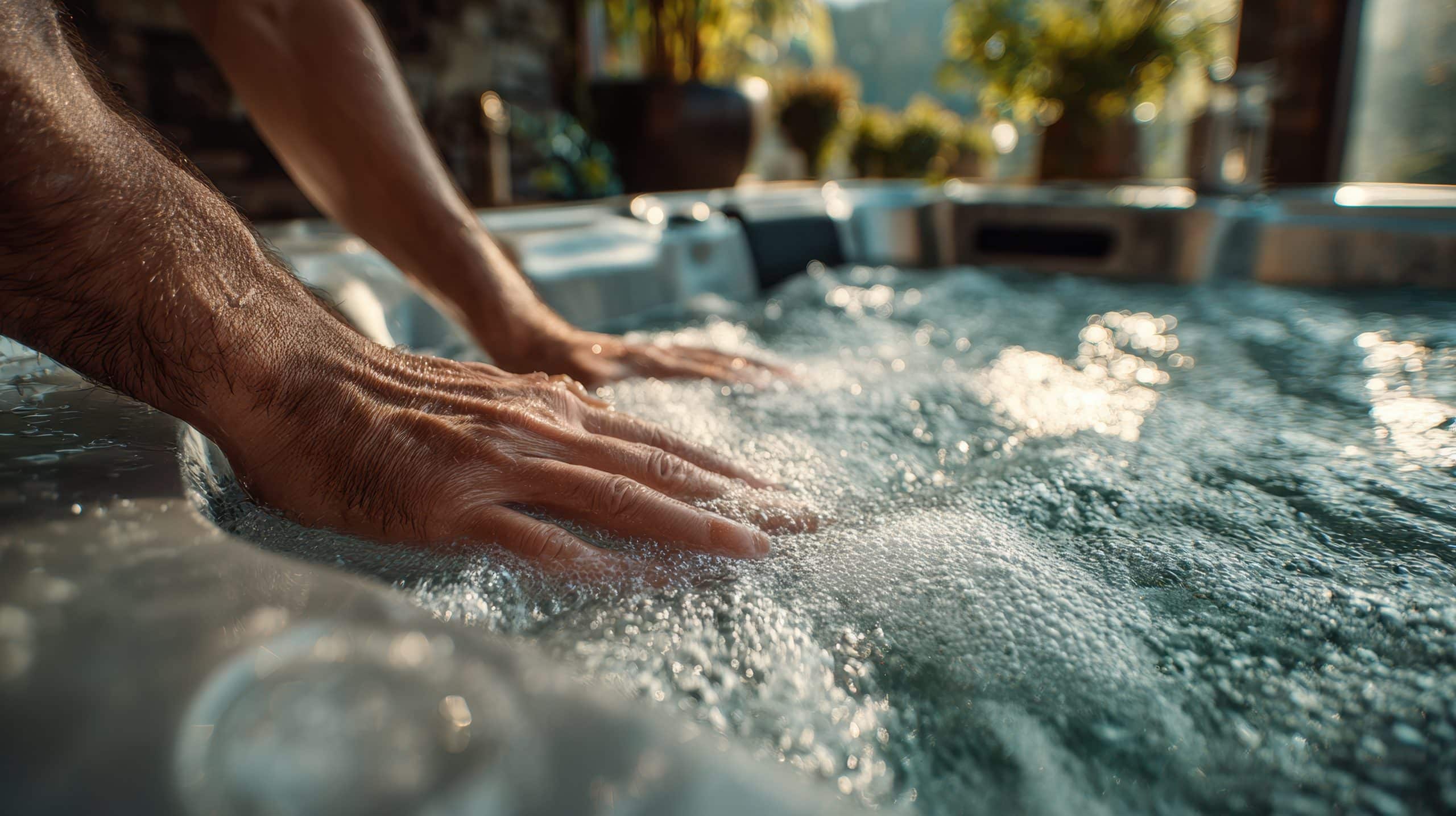
Hydrotherapy is one of those words that gets used frequently in hot tub marketing and is understood imprecisely by most of the people hearing it. When Mile High Hot Tubs talks with Denver homeowners about the wellness benefits of hot tub ownership, hydrotherapy is the framework that ties together the heat, buoyancy, and jet pressure effects that make a hot tub meaningfully different from a warm bath. Understanding what hydrotherapy actually is, how each of its components works, and how Denver homeowners can build a consistent routine around it helps turn a backyard hot tub from a relaxation amenity into a genuine daily wellness tool.
What Hydrotherapy Actually Means
Hydrotherapy, in the most straightforward definition, is the therapeutic use of water. It encompasses a broad range of water-based treatments that have been used in various forms for thousands of years, from ancient Roman baths to modern physical therapy pools. In the context of a residential hot tub, hydrotherapy refers specifically to the combination of three simultaneous therapeutic effects: heat, buoyancy, and hydrodynamic pressure from jets.
Each of these three elements produces distinct physiological effects, and the combination of all three working simultaneously is what makes hot tub hydrotherapy more effective than any single element alone. A warm bath provides heat and buoyancy but no jet pressure. A swimming pool provides buoyancy without therapeutic heat. A massage addresses soft tissue tension without buoyancy or sustained heat. The hot tub uniquely combines all three in an accessible, convenient format that can be used consistently at home. Benefits of hydrotherapy covers the full physiological basis for warm water therapy that forms the foundation for the practical discussion in this guide.
The Heat Component: How Warm Water Affects the Body
Heat is the most immediately noticeable element of hot tub hydrotherapy and the one with the broadest range of physiological effects. Water at therapeutic temperatures between 98 and 104 degrees Fahrenheit affects the body in several specific ways that combine to produce the recovery and relaxation outcomes hot tub users consistently report.
Vasodilation is the primary cardiovascular response to heat immersion. As skin temperature rises from warm water contact, blood vessels throughout the body dilate, increasing blood flow to muscles, connective tissue, and the skin surface. This enhanced peripheral circulation delivers oxygen and nutrients to tissue that may be fatigued, tense, or recovering from activity, and it facilitates the removal of metabolic byproducts that contribute to muscle soreness and stiffness.
Muscle relaxation follows from both the direct warming of muscle tissue and the nervous system’s response to sustained heat exposure. Muscles that are warm are more pliable and less prone to the involuntary tension that contributes to the stiffness and discomfort that follows both physical activity and prolonged sedentary postures. Denver homeowners who spend long days at a desk often find that the muscle tension they carry through the workday dissolves more quickly in the hot tub than through any other end-of-day routine.
Core temperature elevation during a hot tub soak produces the body temperature drop after exiting, which research has linked to improved sleep onset, as covered in detail in our companion guide on hot tubs and sleep. This thermoregulatory effect makes the evening hot tub soak serve double duty as both a hydrotherapy session and a sleep preparation tool for Denver homeowners who build their soak into the evening routine.
The Buoyancy Component: Deloading Joints and Tissue
Buoyancy is the element of hot tub hydrotherapy that receives the least attention in popular wellness discussions and that produces some of the most significant benefits for the joints, connective tissue, and musculoskeletal system.
In water immersed to chest depth, effective body weight is reduced by approximately ninety percent. This dramatic reduction in gravitational loading means that joints, spinal discs, and connective tissue that have been compressed under body weight for hours of standing, sitting, walking, or exercising are suddenly operating in a near-weightless environment. The relief that many hot tub users feel within the first few minutes of entering the water is in large part this deloading effect, as compressed tissue is allowed to decompress and fluid exchange in joint spaces improves.
For Denver’s active population, who subject their joints to significant compressive loading through hiking, running, cycling, and skiing, the joint deloading that warm water buoyancy provides is a recovery benefit that no land-based recovery method replicates. A twenty-minute soak in a hot tub provides a sustained period of joint decompression that is genuinely restorative for the knees, hips, spine, and ankles that carry the load of Colorado’s outdoor activities.
The buoyancy effect also facilitates a gentle range of motion in the water that would be uncomfortable or impractical on land. Stretching, gentle joint mobility work, and relaxed movement in the water take advantage of both the buoyancy reducing compressive load and the heat improving tissue pliability to produce a combined therapeutic effect that is particularly beneficial for homeowners managing stiffness or reduced mobility. The health benefits of infrared saunas covers a complementary heat therapy modality that some Denver homeowners combine with hot tub hydrotherapy as part of a comprehensive home wellness setup.
The Jet Component: Targeted Hydrodynamic Massage
The jet system is what distinguishes a hot tub from a warm bath and is the component most directly responsible for the targeted muscle tension relief that hot tub users consistently cite as one of the most valued benefits of ownership.
Hot tub jets deliver pressurized water and air in a directed stream that produces a massage-like mechanical effect on the soft tissue directly in the jet’s path. The pressure stimulates the skin and underlying muscle tissue in a way that increases local circulation, breaks up areas of concentrated muscle tension, and produces the neurological relaxation response that manual massage also produces. The jet effect is not identical to skilled manual massage but it is genuinely therapeutic in a way that is consistently supported by the research on hydrotherapy and by the consistent reports of hot tub users.
Jet placement and configuration are where different hot tub models diverge significantly in their therapeutic value for specific muscle groups. A hot tub with well-designed lumbar jets in the primary seating positions addresses the lower back tension that is one of the most universal complaints among Denver’s working population and active outdoor residents. Neck and shoulder jets that can be accessed without awkward positioning address the upper body tension that desk workers and cyclists carry through their days. Leg jets that direct pressure along the calves and hamstrings address the muscle groups most loaded by hiking, running, and skiing.
Evaluating jet placement and configuration by actually sitting in different hot tub models in a showroom environment is the most reliable way to assess whether a specific tub’s jet configuration matches the muscle groups where a particular homeowner most needs targeted therapy. A hot tub with an impressive jet count that does not place those jets where they are needed produces less therapeutic value than a tub with fewer jets that are precisely positioned for the homeowner’s use patterns. The ultimate guide to choosing your hot tub covers the evaluation criteria that help Denver homeowners identify the configuration that best serves their specific therapeutic needs.
Building a Consistent Hydrotherapy Routine
The homeowners who experience the most consistent and meaningful wellness benefits from their hot tub are those who build a structured routine around it rather than soaking opportunistically. Consistency amplifies the benefits of hydrotherapy in the same way that regular exercise produces better fitness outcomes than occasional intense effort.
A practical daily hydrotherapy routine for Denver homeowners might look like this: a fifteen to twenty-minute evening soak at therapeutic temperature with jet therapy focused on the muscle groups that carried the day’s activity load, a gentle range of motion movements for any joints that feel stiff or compressed, and a calm transition to the bedroom environment afterward. This routine serves recovery, relaxation, and sleep preparation simultaneously and can be completed within thirty minutes, including the transition.
Post-activity soaks after hiking, biking, running, or skiing add a targeted recovery dimension to the routine on active days. These soaks are most effective when taken within an hour or two of activity, while muscles are still warm, and the circulation enhancement of the warm water can interact with the acute recovery process most effectively.
Morning soaks are used by some Denver homeowners as a muscle-warming and loosening routine before activity or the workday, taking advantage of the heat and buoyancy to reduce the stiffness that accumulates overnight and prepare the body for the demands of the day. Morning soaks are typically slightly shorter and at moderate rather than maximum temperatures to avoid the sedating effect that a full therapeutic soak can produce when the goal is preparation rather than wind-down. How to maintain your hot tub for Colorado’s climate covers the maintenance practices that keep a hot tub consistently ready for daily use across Colorado’s varied seasonal conditions.
Hydrotherapy and Specific Wellness Goals
Understanding how hydrotherapy’s three components address specific wellness goals helps Denver homeowners build a routine that targets their most important needs.
For muscle recovery after physical activity, the combination of heat-driven vasodilation, improving circulation to fatigued tissue, and jet pressure addressing concentrated tension in loaded muscle groups produces the most targeted recovery effect. Jet therapy directed at the specific muscle groups most loaded by the day’s activity, rather than simply soaking passively, maximizes the recovery benefit.
For stress and tension relief after demanding work days, the heat and buoyancy combination that reduces physiological arousal and the jet therapy that addresses the physical manifestation of stress in muscle tension work together to produce the relaxation effect that most people associate most strongly with hot tub use. The quiet, private outdoor environment of an evening soak adds a psychological dimension to the physical relaxation effect that is worth acknowledging as a genuine wellness contribution.
For joint comfort and mobility, the buoyancy-driven deloading effect combined with gentle heat-facilitated range of motion work in the water provides a therapeutic combination that is particularly relevant for Denver homeowners in their forties and older who are noticing the cumulative effects of years of active Colorado living in their joints. Hot tub arthritis relief covers how warm water therapy supports joint comfort for homeowners managing stiffness and reduced mobility.
Frequently Asked Questions About Hot Tub Hydrotherapy for Denver Homeowners
How is hot tub hydrotherapy different from just soaking in a warm bath?
The key differences are the jet pressure component and the sustained therapeutic temperature that a hot tub maintains more precisely than a bath. A warm bath provides heat and some buoyancy but cools fairly quickly and provides no targeted jet therapy. A hot tub maintains a precise temperature throughout the session and delivers targeted hydrodynamic massage through the jet system. The combination of sustained therapeutic heat, full buoyancy from a deeper water volume, and directed jet pressure produces a more comprehensive therapeutic effect than a warm bath. For Denver homeowners who have relied on baths for recovery and relaxation, the upgrade to a hot tub typically produces noticeably more complete results.
How often should I use my hot tub for hydrotherapy benefits?
Daily use produces the most consistent hydrotherapy benefits, and most healthy adults find that daily soaking of fifteen to twenty minutes at therapeutic temperature is comfortable and sustainable as a long-term routine. The body adapts positively to consistent warm water therapy in the same way it adapts to regular exercise, with regular users often reporting that the benefits become more pronounced and reliable over the first weeks and months of consistent use compared to the occasional soaks they experienced before establishing a routine.
Which jets should I use for different types of muscle recovery?
Lumbar and lower back jets address the spinal compression and paraspinal muscle tension that is nearly universal among both active outdoor enthusiasts and desk workers. Shoulder and neck jets address the upper body tension that accumulates from both athletic activity and sedentary postures. Leg jets targeting the calves and hamstrings are most relevant after running, hiking, and skiing. A hot tub evaluation in a showroom that allows you to sit in the tub and assess which jet positions reach the specific muscle groups where you carry the most tension is the most reliable way to match a specific model’s configuration to your therapeutic needs. Spa resources Denver Colorado covers the educational resources available through Mile High Hot Tubs for homeowners wanting to learn more about optimizing their hot tub use.
Can hydrotherapy help with tension headaches?
Neck and shoulder tension is a common contributing factor to tension headaches, and jet therapy directed at these areas, combined with the general relaxation effect of warm water immersion, may provide relief for tension headaches that have a muscular and stress component. Neck jets that can be accessed comfortably in a relaxed position are the most relevant feature for this use. While hot tub hydrotherapy is not a medical treatment for headaches, many hot tub owners report that their evening soak routine reduces the frequency and severity of tension headaches they previously experienced regularly.
Is hydrotherapy appropriate for older adults with mobility considerations?
Warm water hydrotherapy is particularly well-suited to older adults because the buoyancy component reduces the joint loading that makes many land-based exercise and recovery approaches uncomfortable or inaccessible. The heat component supports circulation and muscle relaxation in ways that benefit tissue that has accumulated the effects of years of activity. Entry and exit safety, including non-slip surfaces, sturdy grab handles, and steps that allow confident entry and exit, are the most important practical considerations for older hot tub users. Most quality hot tubs include these safety features as standard, and they should be verified during any hot tub evaluation. Top weatherproof hot tubs for Colorado mountain homes cover construction quality and feature considerations relevant to hot tubs serving older adults in Colorado’s varied climate conditions.
How do I know if my hot tub’s jets are providing effective hydrotherapy or just noise and bubbles?
Effective jet therapy produces a distinct pressure sensation on the muscle tissue in the jet’s path that feels like targeted massage rather than simply water movement. Jets that are correctly positioned and properly adjusted should produce a noticeable tissue response in the area they target. Jets that feel primarily like water movement without meaningful pressure may be set to low pressure, poorly aimed, or simply not positioned to reach the relevant muscle groups in your specific body geometry. Adjusting jet direction, switching between jet patterns, and comparing the sensation at different pressure settings helps identify which positions deliver genuine therapeutic pressure for your body. A showroom evaluation, where you can sit in the tub with water and jets running, is the most reliable pre-purchase assessment.
Experience the Difference a Consistent Routine Makes
Hydrotherapy’s benefits are most fully realized by homeowners who build a consistent routine around their hot tub rather than treating it as an occasional indulgence. Visit Mile High Hot Tubs or call 720-500-2521 to find the hot tub configuration that delivers the hydrotherapy experience your wellness routine deserves. Browse our full Denver hot tub collection.

